Friday, 6:10 pm. The last working day just ended. HR still needs IT to confirm the laptop, finance to confirm the salary advance, the manager to say whether notice was waived, and payroll to “add gratuity when you send the sheet”. Under the Code on Wages, the wages payable on that exit are due within two working days. The spreadsheet relay was built for two weeks. The statute is not.
The clock is two working days - and it is a wage clock
Section 17(2) of the Code on Wages, 2019 says that where an employee has been removed or dismissed from service, or has been retrenched or has resigned, or became unemployed because the establishment closed, the wages payable shall be paid within two working days of that removal, dismissal, retrenchment or resignation.
Two limits sit next to that sentence. Section 17(3) allows the appropriate government to set another time limit where it considers that reasonable. Section 17(4) says this does not disturb a wage-payment time limit already set in another law. Read the words with your labour advisor for each state. Do not assume a resignation email on day one of a 60-day notice is the moment every future wage falls due. The operational problem the Codes create - and the one the Labour Codes guide only names - is the money that is payable because employment has ended. That money cannot wait for a clearance chain that starts after the person has left.
What is inside the two days, and what is not
| Settlement line | Where it comes from | How it meets the wage clock |
|---|---|---|
| Wages payable on exit | Code on Wages, Section 17(2) | Pay within two working days of the event the section names, unless Section 17(3) or another law sets a different limit. |
| Leave encashment | Unused balance × per-day salary, from the leave ledger | Have the number before last working day. A balance that still lives in Excel cannot be in the wage payment. |
| Notice recovery or buyout | Days short of the notice matrix × daily salary, or a waive with a reason | Decide while notice is being served. A WhatsApp “we’ll waive it” after exit rewrites the net. |
| Gratuity | Code on Social Security - excluded from the definition of wages | Calculate it with the settlement. Do not tell the employee it is legally the same two-day wage. |
| Asset, loan, advance, bond | Clearance and the employee account, not a Friday email | Deductions that miss the payment cannot be “adjusted next week” without a dispute. |
Gratuity under the Code on Social Security is generally due after five years of continuous service, at fifteen days’ wages for every completed year of service or part above six months (or such number of days as the Central Government notifies), on wages last drawn. Fixed-term employment and the death of an employee follow a pro-rata rule. Forfeiture is limited to the cases the Code spells out - damage or loss, and the narrower misconduct cases - not “HR is unhappy”. The wage definition used for that formula is the same 50% wage rule that already moved PF. A gratuity number built on old basic will be wrong on the same day the wage payment is due.
Why the spreadsheet relay misses it
Notice in email
Waive, buyout and “please serve 30 more days” are decided in chat. The settlement never sees the amount or the reason.
Clearance in a queue
IT, then finance, then admin, then HR. Two working days are gone before the second team opens the mail.
Laptop in another tool
Asset return is the hold that delays pay. If ITAM is not a clearance task, nobody can prove the machine came back.
Gratuity after exit
Someone rebuilds years of service from the offer letter. The employee has already asked where the money is.
The order that fits the clock
- Resignation is one record, with exit type, reason and a last working day computed from the notice matrix - not a date typed into three sheets.
- Notice is a status: serving, waived with a reason, buyout with an amount, or completed. The buyout has to land on the settlement by itself.
- Clearance runs in parallel where the company allows it: IT return, finance, HR no-dues, assets. Sub-items (laptop, monitor, access card) close with a document, not a “done” in chat.
- Leave encashment reads the leave balance that attendance and leave already agree on. Attendance stops at last working day.
- Gratuity is staged from the wage definition and years of service when notice completes, so finance approves a figure instead of inventing one.
- Net = credits minus deductions, then approve, pay, and generate the payslip. The bank file is the last step, not the first place the numbers exist.
Access still has to die when the last shift ends, in the employee’s own time zone. A full-and-final that is paid on time and a login that works on Monday are both failures. Asset return itself is covered in IT asset handover for joiners and leavers. This note is the money and the deadline around that handover.
Where Bynarize fits
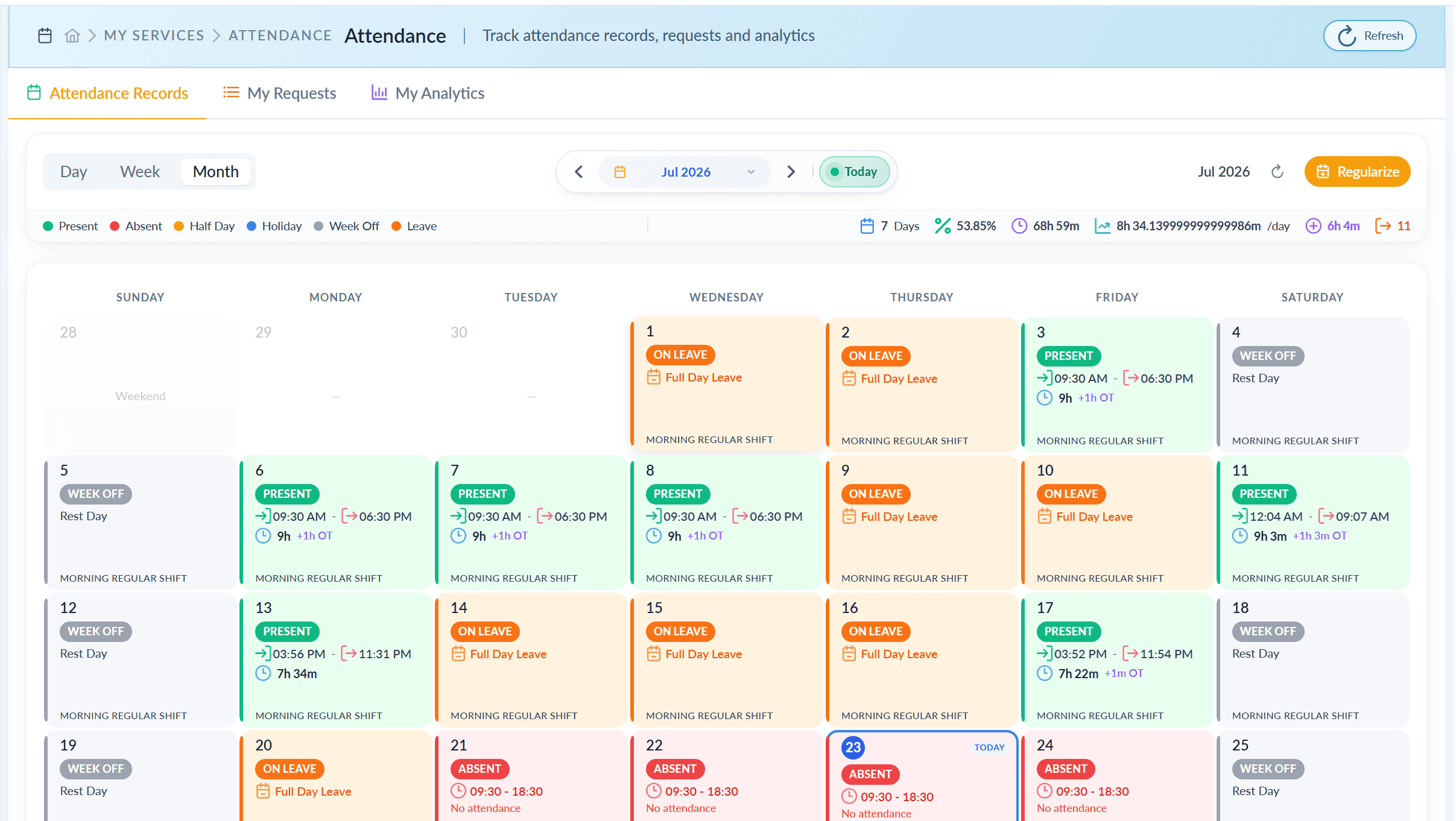
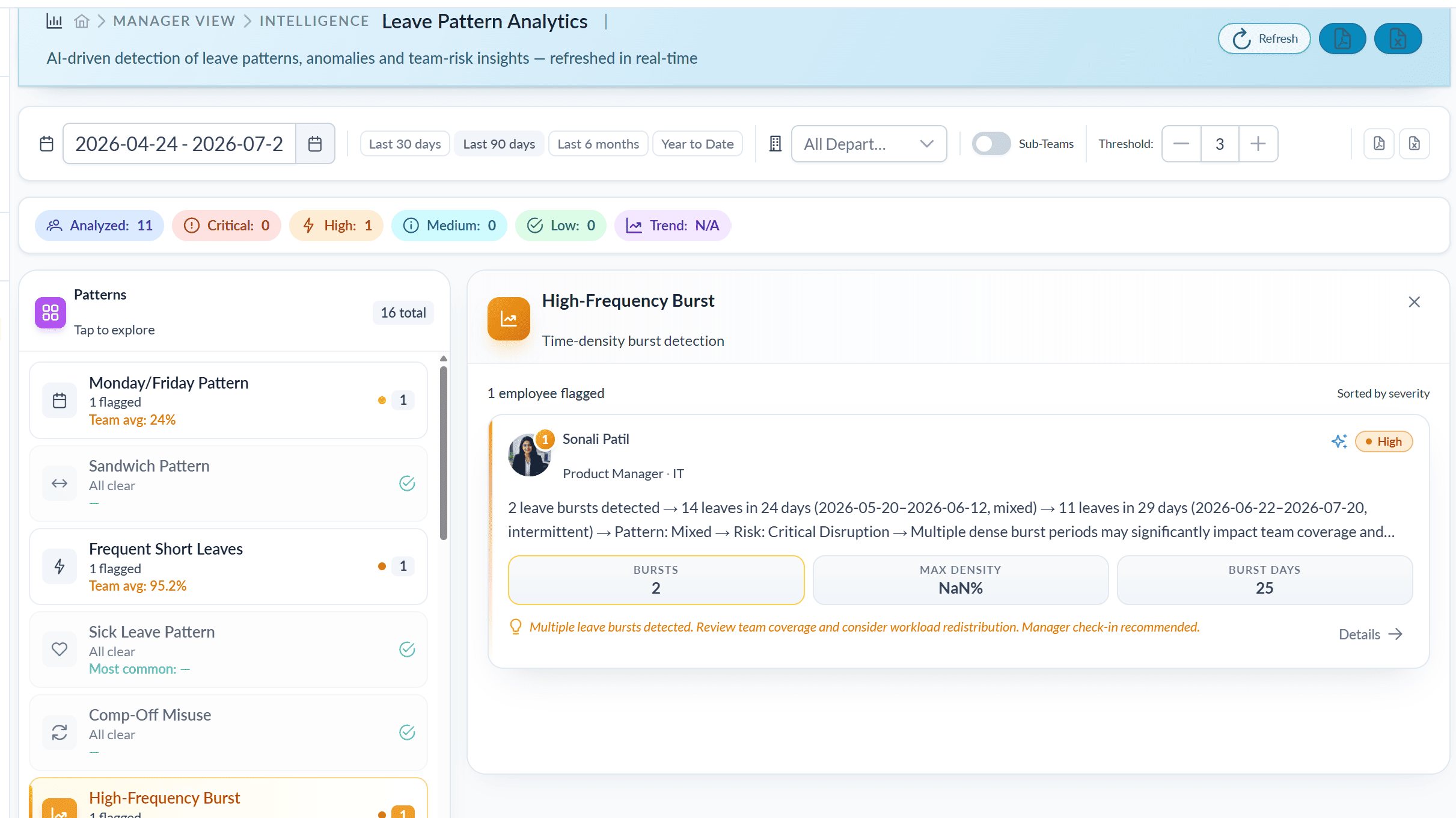
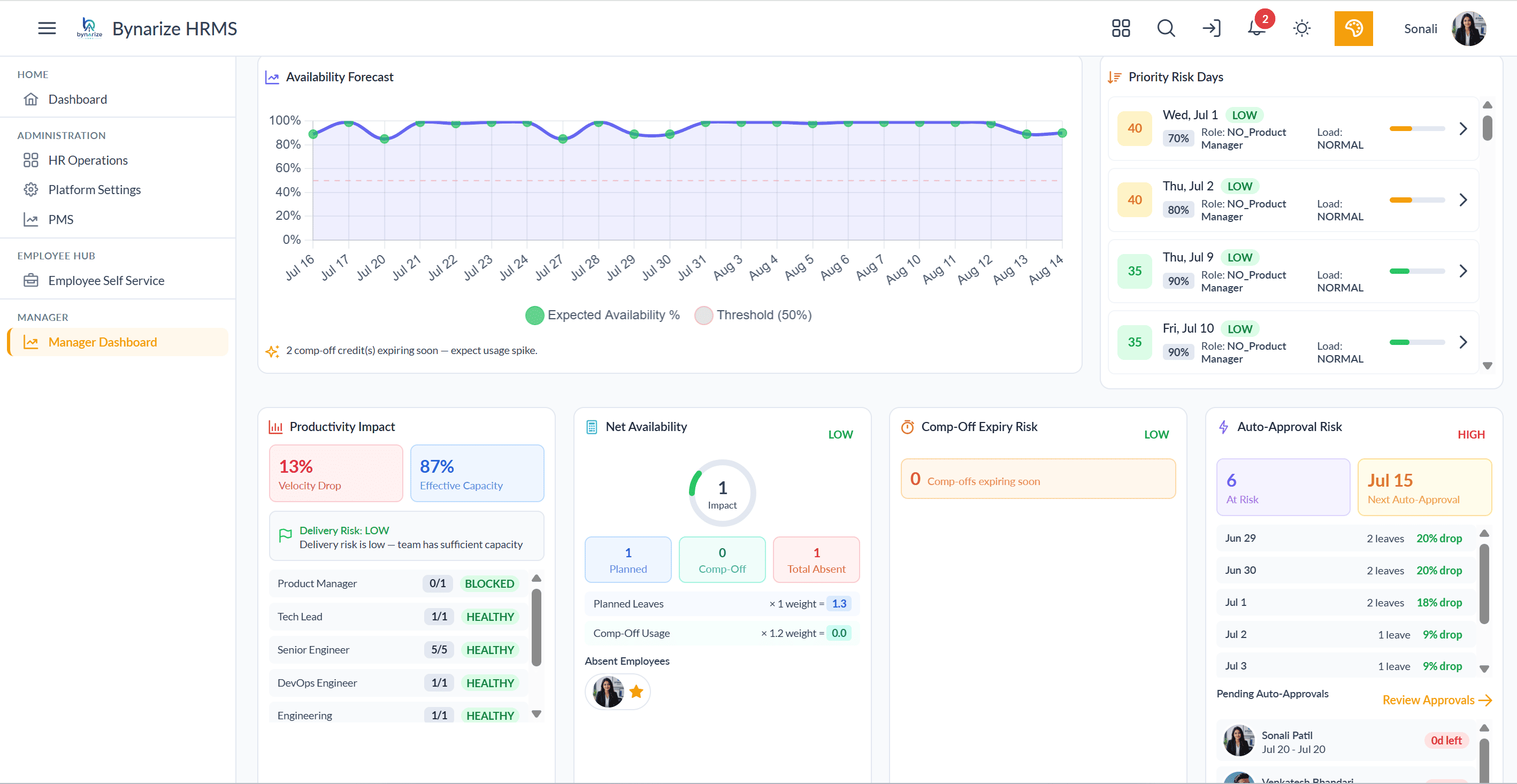
Bynarize Exit keeps one exit record: approval chain, notice, clearance, the exit interview and full-and-final settlement, plus an activity timeline. The notice screen is where HR waives (with a reason), records a buyout amount, or marks notice complete. That buyout amount links into settlement. Marking notice complete stages gratuity and leave encashment.
Leave encashment uses the unused balance and per-day salary from the leave module. Gratuity uses the labour-law shape Indian payroll already knows - last wages, fifteen days, years of service, and the 26-day divisor - and deductions can include asset recovery, loans, advances, tax, penalties and outstanding certificate service bonds. The net recomputes when a line changes. Status moves Draft → Calculated → Approved → Paid → Payslip Generated. A tenant can turn on auto-progression. Payroll takes the components and returns the payslip link. Clearance can run sequential or in parallel, and IT asset-return tasks are clearance items assigned to IT, not a separate tracker.
The product does not replace the bank or the labour lawyer. It removes the relay that makes Section 17(2) impossible to meet. When the last working day ends, the same exit marks the person inactive at the close of their final shift in their local time zone, and writes that step to the timeline.
If you are a Founder, HR Head or Finance lead: take the last three exits. Ask, for each, on which working day the wages were paid, whether leave encashment and notice buyout were known before that payment, and whether gratuity used the current wage definition. If the answers are in three inboxes, the two-day rule is a hope.
This guide summarises Section 17 of the Code on Wages, 2019 and the gratuity provisions of the Code on Social Security, 2020 for HR planning. It is not a legal opinion. State rules, Section 17(3) variations, gratuity ceilings notified by the Central Government, and forfeiture all need a qualified advisor before you change an exit policy or withhold any amount.
Want full and final ready when notice ends, not two weeks later?
See notice, parallel clearance, gratuity, leave encashment and settlement on one exit record.