An inspector asks for appointment letters and last month’s wage slips for the night shift. HR has offer emails, a few signed scans in a shared drive, and payslips that payroll “will generate if we re-run March”. The codes do not accept that stack. The letter has a prescribed shape. The slip has a deadline. Both have to match the wages you actually pay.
Appointment letter: issued, not promised
Notified rules under the Occupational Safety, Health and Working Conditions Code require an appointment letter in the prescribed format. The core particulars that show up across those rules are the employee’s name, date of birth, Aadhaar number, the establishment, designation, type of employment, wages, and whether social security applies.
States add their own lines. Andhra Pradesh’s rules pull in welfare-board registration numbers and health-check details. Bihar adds the nature of employment and requires an identity card for workers (with a stated exception). A template copied from a Mumbai law-firm PDF is not automatically the format for your factory in another state.
An offer email is not this letter. Issue the appointment letter, get it on the employee file, and update it when designation or wages change. The wage figure on the letter has to survive the 50% wage definition. If basic on the letter and basic in payroll differ, you have created the dispute yourself.
Wage slip: before the money moves, in most states
Most notified Code on Wages rules require a wage slip - electronic or physical, in the prescribed form - on or before wages are paid. Gujarat is a known exception in the 2026 rules: wage slips within five working days of payment. If you run one payroll calendar for five states, write the stricter timing down per location instead of hoping “by the 7th” covers everyone.
OSH rules also expect an employee register, an attendance-cum-muster roll, and a register of wages, overtime and deductions. Wage registers kept under the Code on Wages can count as kept under the Central OSH Rules. Several states (including Andhra Pradesh, Gujarat, Bihar and others) have moved toward a unified annual return across the codes. The slip is the document the worker sees. The registers are what you produce when someone asks how that slip was built.
Letter from a template
Same letterhead, a real number, the prescribed fields, stored against the person. Not a one-off Word file.
Slip from a locked month
Generate the wage slip from payroll after attendance and leave are closed. A draft run is not the slip you issue.
Timing by state
On or before payment is the common rule. Gujarat’s five working days is the reminder that “common” is not “everywhere”.
Show it on demand
Employee self-service plus an HR copy. If the only copy is the CA’s mail, you do not have a slip.
Contract workers are not outside this
Notified OSH rules also require contractors to issue an experience certificate on demand, covering period, work and experience gained. Some jurisdictions prescribe letterhead, seal and a “to whom it may concern” form. If contract labour works on your site, ask who holds the appointment letter and who can produce the experience certificate. “The vendor will send it” is not a file.
Where Bynarize fits
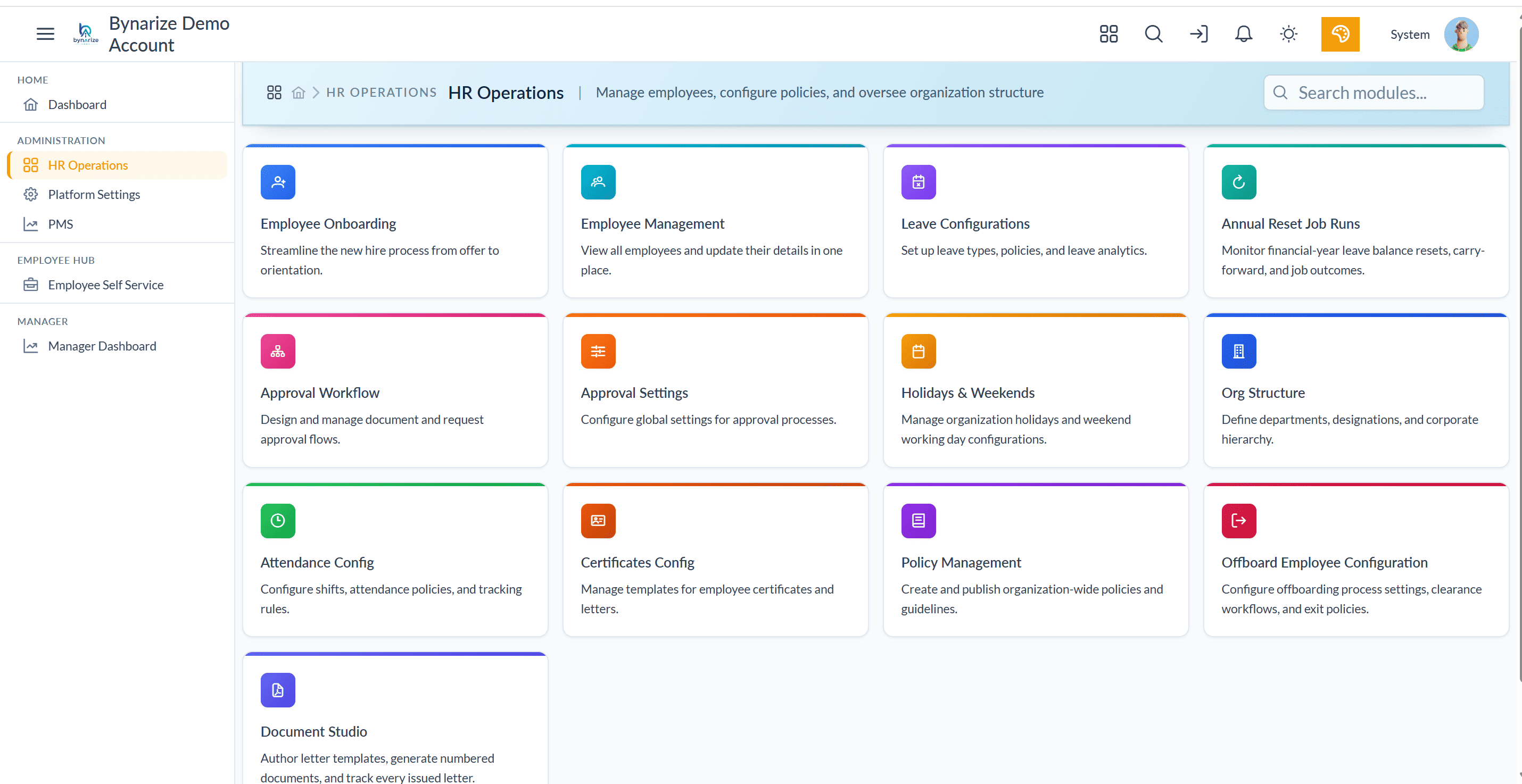
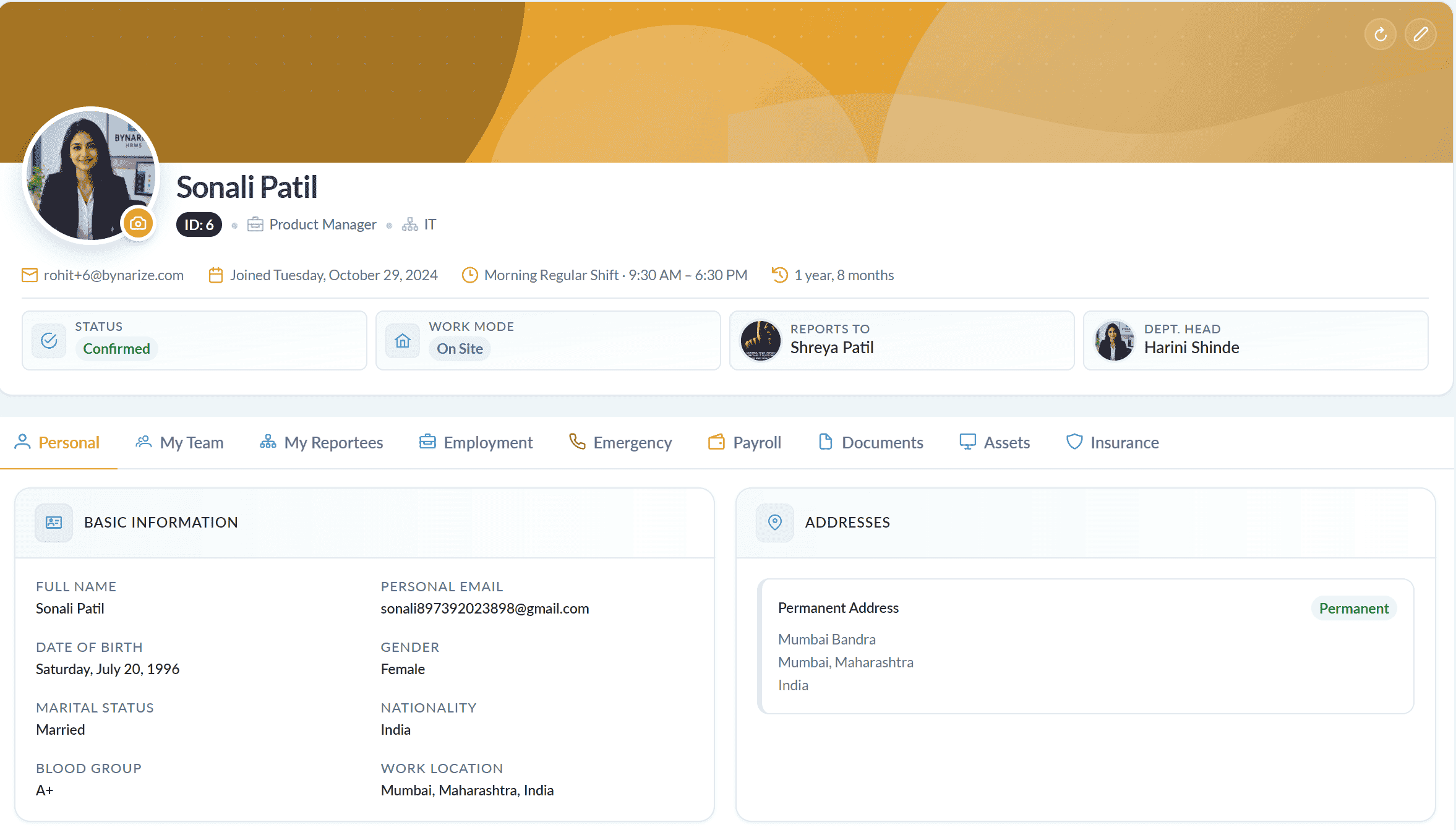
Document Studio is the letter side: appointment, offer, increment and related templates, numbering, optional approval, and a registry. It is not the KYC vault. Employee Documents is where the signed letter and ID proofs sit once they exist, with a pending-versus-verified view so “who still has no appointment letter” is a list, not a memory.
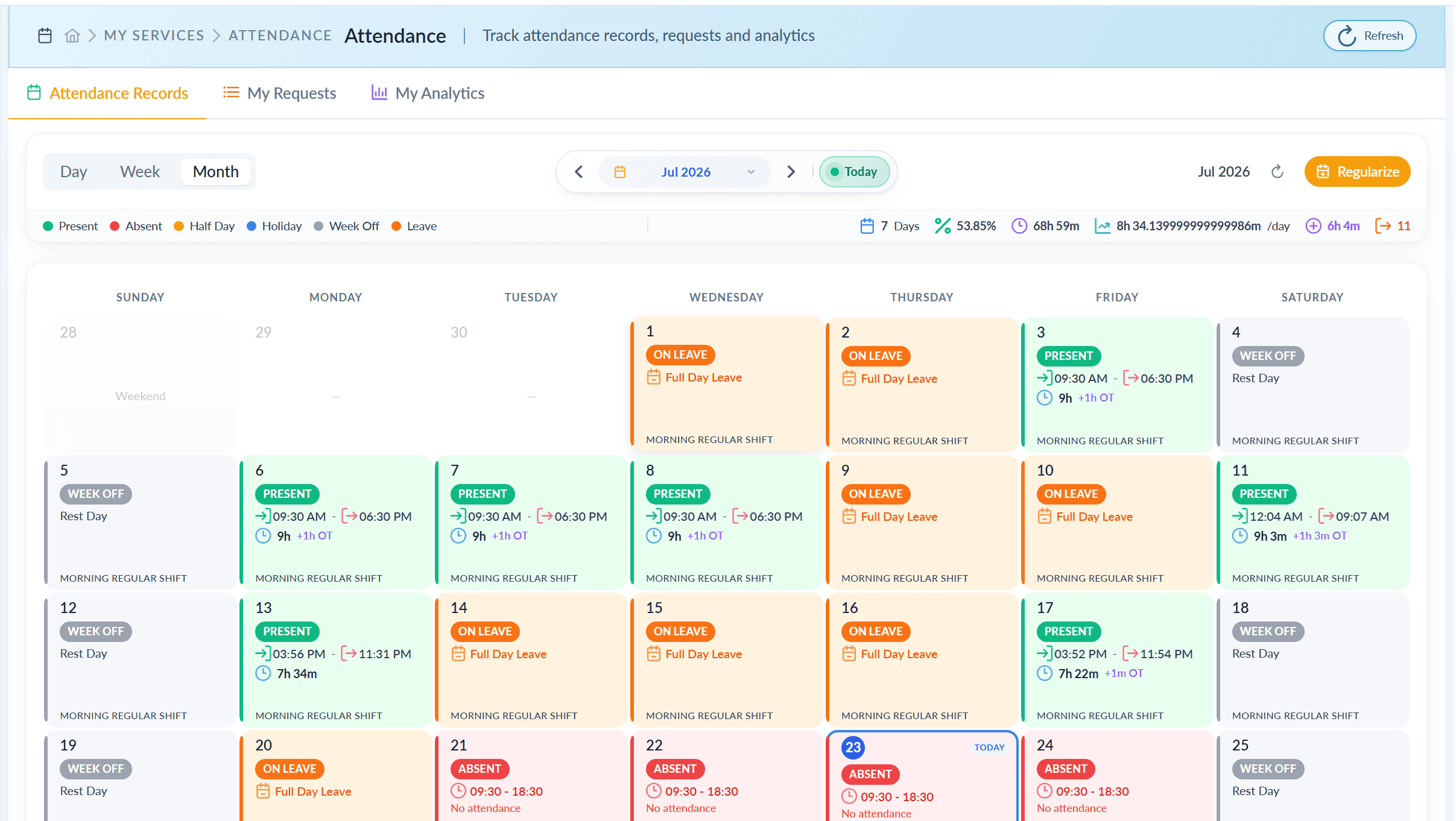
Payroll is the wage-slip side. HR locks the month and publishes. The employee downloads the slip. That is the operational version of “issued on or before payment”, provided your pay date and your publish date are the same conversation.
If you are a Founder or HR Head: pull ten joiners from the last ninety days. Count how many have a prescribed appointment letter on file, and how many can open last month’s wage slip without calling HR. The gap in that sample is the audit.
Based on the Code on Wages (Central) Rules, 2026, the OSH (Central) Rules, 2026 (both notified 8 May 2026), and state rules reported through October 2026. Formats differ. Confirm the schedule that applies to each establishment before you freeze a template.
Want letters and payslips from the same employee record?
See Document Studio, employee documents and payroll together.