Aman submits a reimbursement on the 4th. His manager travels on the 5th. Finance asks HR for a missing GST detail on the 9th. HR pings the manager on the 11th. The manager forgets. Aman pings HR on the 18th. Finally approved on the 23rd. Settled on the 30th. Twenty-six days for ₹2,400. This is not an outlier. This is the norm.
Where approvals actually stall
- Undefined chain: Nobody knows who approves what after the immediate manager.
- No visibility: Pending items live in inboxes - invisible until someone follows up.
- No SLA: "Soon" is the default response time. There is no breach to escalate.
- No fallback: Approver on leave? The whole chain pauses indefinitely.
- Manual data fetching: Approver needs leave balance, attendance, policy - and has to ask HR for it.
What delays actually cost
Employee frustration
Small delays compound into "this place is slow at everything".
Productivity drag
Decisions wait - work slows for the people downstream of approvals.
HR ticket overload
HR becomes a glorified follow-up service for approvers.
Reimbursement leakage
Late settlements quietly get raised again, or written off.
How to actually fix it
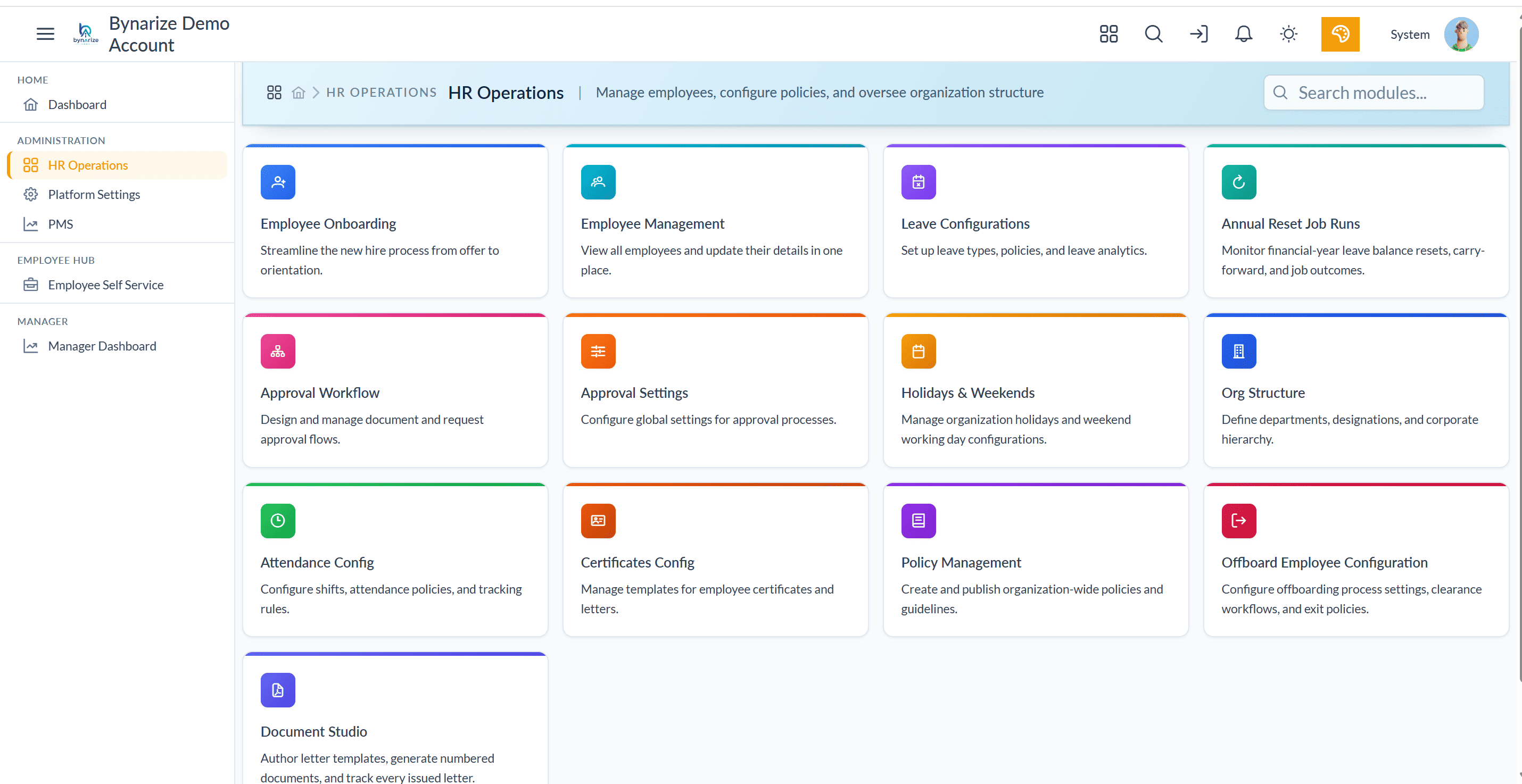
Defined approval matrix
Per request type, per department - no ambiguity, no "who decides".
Auto-reminders & SLAs
Pending items nag the right person until acted on or escalated.
Delegate & fallback
Approver out? Auto-route to delegate. Nothing waits indefinitely.
Context inside the request
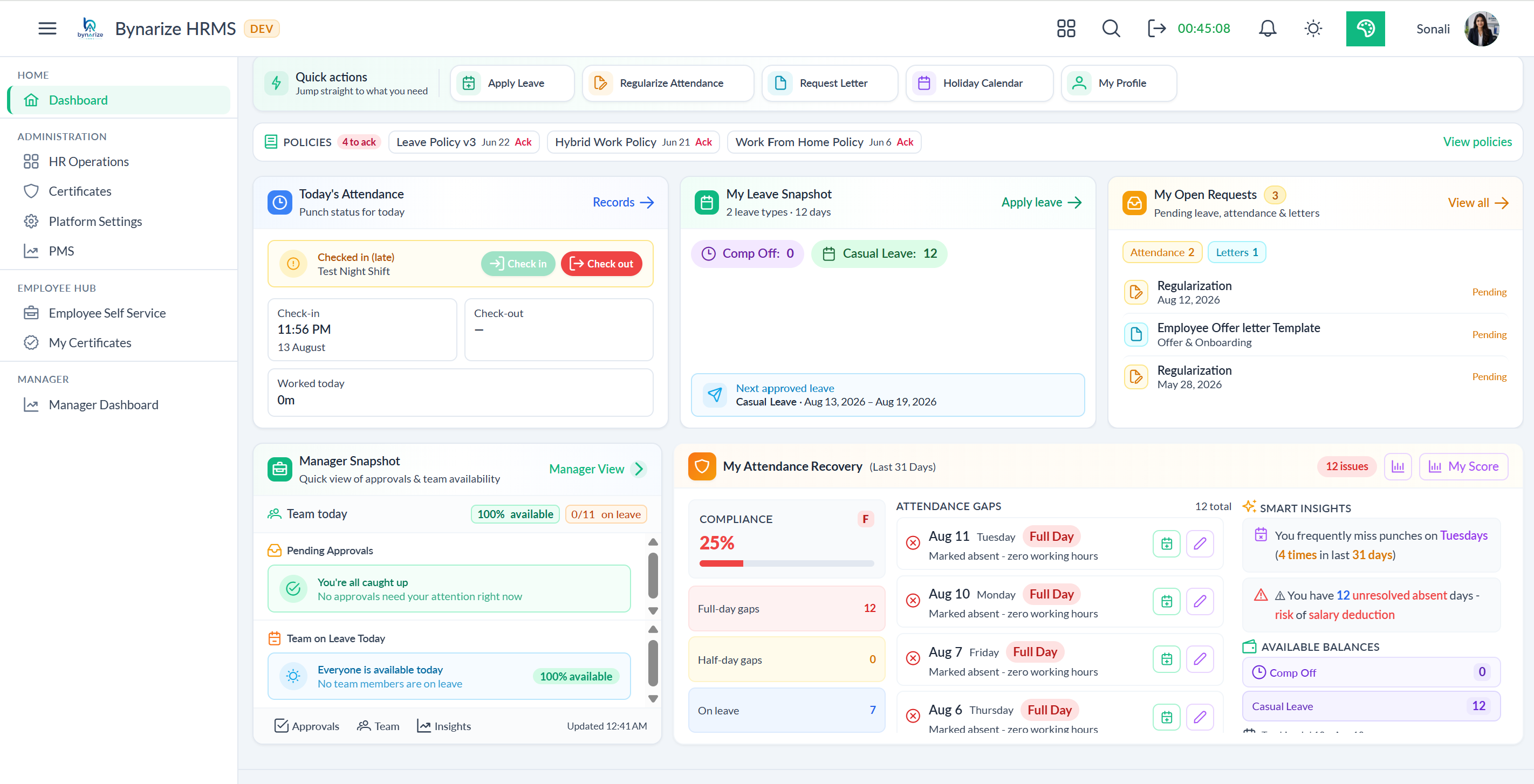
Approver sees balance, history, policy - decision in seconds, not days.
See how structured HR workflows and leave approval automation end this pattern. For related reading, see how manual leave tracking creates payroll disputes and why HR + ITAM + VMS should not be separate.
Still managing HR operations across multiple tools?
Define the workflow once. Let the system enforce it every time.